How Water Intrusion Damages Foundations and Basements
Local contractors specializing in basement and foundation waterproofing can help prevent water intrusion that damages structures, ensuring your home stays dry and secure.
Understanding how water intrusion damages foundations and basements is essential for property owners concerned about long-term structural health. Water can seep through cracks, gaps, or porous materials, leading to issues like weakened concrete, mold growth, and interior flooding. These problems not only compromise the stability of a building but can also result in costly repairs if left unaddressed. Exploring this topic helps homeowners recognize early warning signs and take proactive steps to protect their property, making it a practical concern for those in areas prone to heavy rainfall or fluctuating groundwater levels.
Fortunately, local contractors specializing in basement and foundation waterproofing offer solutions designed to prevent water intrusion before it causes significant damage. These professionals can assess the unique conditions of a property and recommend effective measures such as sealing cracks, installing drainage systems, or applying waterproof coatings. Learning about how water intrusion impacts foundations and basements empowers property owners to connect with experienced service providers who can help safeguard their investment and maintain a dry, stable environment. Keep reading to discover practical insights and options for protecting your home from water-related damage.
- Basement Waterproofing - homeowners noticing dampness or water leaks in their basements seek local contractors to install proper barriers and drainage systems that prevent water intrusion.
- Foundation Waterproofing - when cracks or signs of moisture appear on foundation walls, service providers can apply sealing solutions to protect against ongoing water damage.
- Waterproofing Drainage Systems - property owners experiencing pooling or runoff issues often turn to local experts to design and install drainage solutions that divert water away from the foundation.
- Crawl Space Waterproofing - those with exposed or damp crawl spaces may need local service providers to install vapor barriers and sump pumps to prevent water from damaging the structure below.
- Leak Repair and Sealing - residents dealing with visible leaks or seepage find local pros can identify entry points and apply effective sealing methods to stop water from damaging foundations and basements.
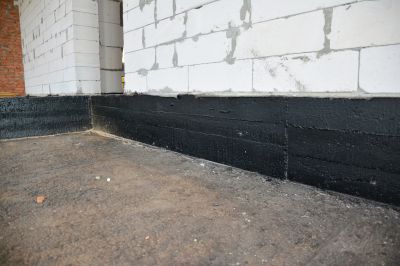
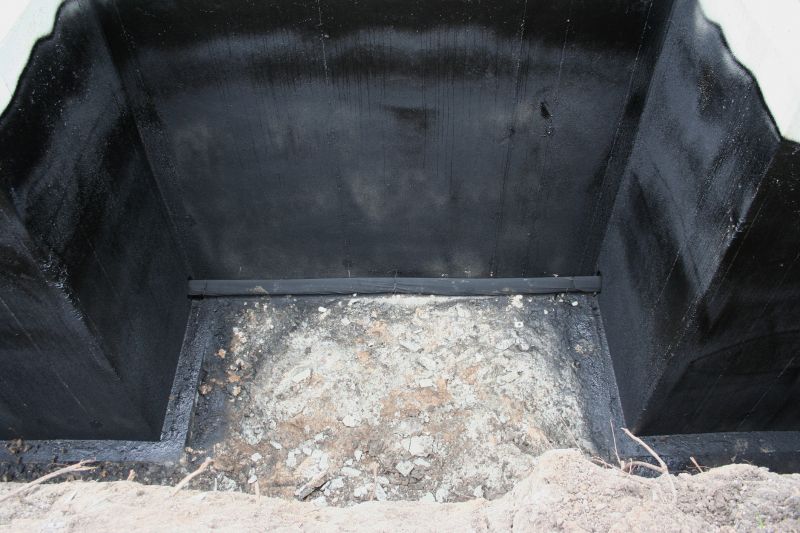
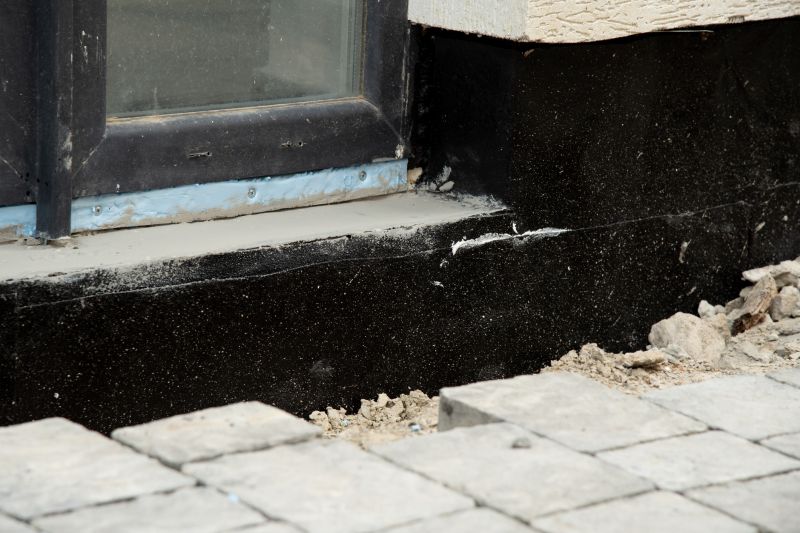
Understanding how water intrusion damages foundations and basements is a common concern for homeowners experiencing or preventing structural issues. When people search this topic, they often want to learn how excess moisture can weaken the structural integrity of their property, cause visible damage, or lead to ongoing problems like mold or interior flooding. This search typically relates to situations where water seeps through cracks, walls, or floors, especially after heavy rains or rapid snowmelt. Homeowners may also be exploring preventative measures or repairs to protect their investment, making it important to understand the connection between water intrusion and the stability of their foundation and basement.
Problems related to water intrusion into foundations and basements can be extensive and costly if not addressed early. Common issues include cracks in foundation walls, bowing or shifting of the structure, and basement flooding or dampness. Over time, persistent moisture can weaken concrete and other building materials, increasing the risk of structural failure. Water intrusion can also foster mold growth, which affects indoor air quality and can lead to health concerns. Many property owners plan to install waterproofing systems or repair existing damage, often seeking the expertise of local contractors who specialize in foundation and basement waterproofing. These professionals diagnose the source of water entry and implement solutions to prevent further damage.
The types of properties most often affected by water intrusion are residential homes with basements or crawl spaces, especially in areas with high rainfall or poor drainage. Older homes with cracks or deteriorated foundation walls are particularly vulnerable, but newer constructions can also experience issues if drainage systems are improperly installed or become clogged. Commercial buildings with underground levels or parking garages are also susceptible to water damage that can compromise their structural stability. Homeowners and property managers typically look for local service providers capable of assessing their specific property type and implementing tailored waterproofing strategies to mitigate water intrusion risks effectively.
When exploring how water intrusion damages foundations and basements, it’s important to understand how local basement and foundation waterproofing contractors fit into the process. These service providers evaluate the property to identify vulnerabilities, such as cracks, drainage problems, or poor grading. They then recommend and install solutions like interior or exterior waterproofing membranes, sump pumps, or drainage systems designed to redirect water away from the foundation. Connecting with experienced local contractors ensures that the property receives appropriate, effective treatment to prevent ongoing water intrusion issues, helping to preserve the structural integrity and value of the home or building.
Foundation Repair Projects - these projects involve stabilizing and reinforcing damaged foundations, often requiring waterproofing solutions to prevent water intrusion and further deterioration.
Basement Waterproofing Installations - local contractors focus on sealing basement walls and floors to prevent water entry, directly addressing issues caused by water intrusion damages.
Drainage System Installations - installing proper drainage around structures helps divert water away from foundations, reducing the risk of water-related damages to basements and foundations.
Crawl Space Encapsulation - this process involves sealing and insulating crawl spaces to prevent moisture buildup and water intrusion that can harm foundations.
Retaining Wall Construction - building retaining walls can help manage water runoff and prevent soil erosion that contributes to water intrusion issues in basements.
Waterproofing Membrane Applications - applying waterproof membranes to building exteriors or interiors helps protect foundations from water penetration and damage caused by water intrusion.
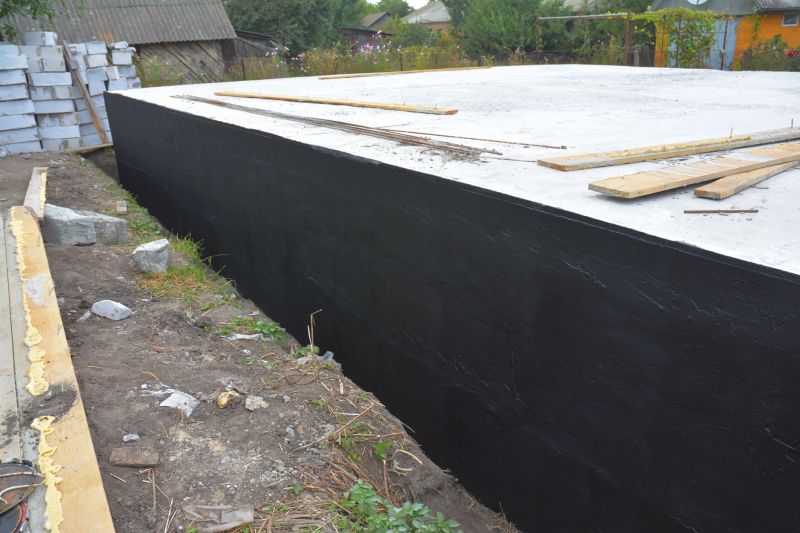
When evaluating service providers for basement and foundation waterproofing, it is important to consider their experience with similar projects. A contractor who has successfully handled water intrusion issues in homes comparable to your own is more likely to understand the specific challenges involved and recommend effective solutions. Asking about their past work can provide insight into their familiarity with common causes of water damage, such as poor drainage, cracks, or improper sealing, and how they have addressed these issues in the past.
Clear written expectations are essential when comparing local contractors. A reputable service provider should be able to outline the scope of work, materials used, and the steps involved in waterproofing a basement or foundation. This clarity helps ensure that both parties understand what will be done, reducing the risk of misunderstandings or surprises later on. Well-defined expectations also serve as a basis for assessing the professionalism and transparency of each contractor.
Reputable references and strong communication are key indicators of a reliable contractor. Speaking with previous clients can reveal how effectively a service provider communicates, whether they are responsive to questions, and if they maintain transparency throughout the project. Good communication ensures that concerns are addressed promptly and that the homeowner remains informed about progress and any adjustments needed. Prioritizing contractors with positive references and open communication can lead to a smoother process and more satisfactory results when dealing with water intrusion damage.
Property owners often search for how water intrusion damages foundations and basements when they are planning practical projects around their homes and businesses. Local pros provide Basement and Foundation Waterproofing services for everyday jobs and straightforward project options.
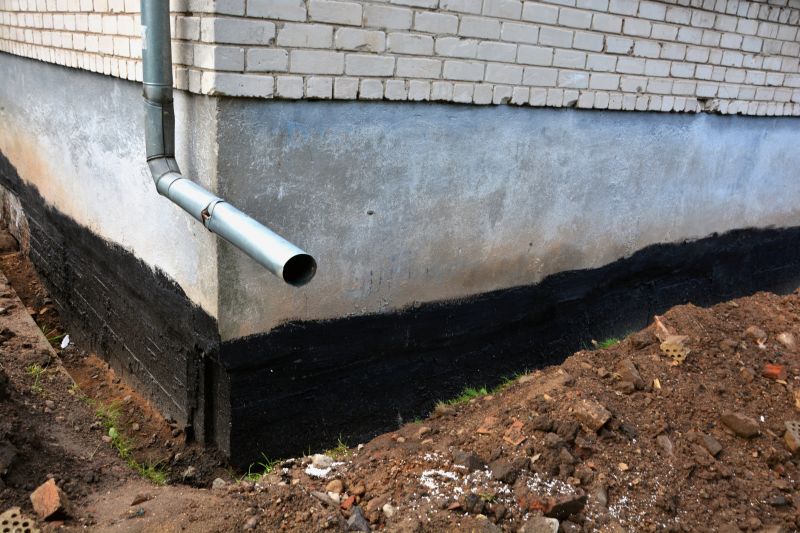
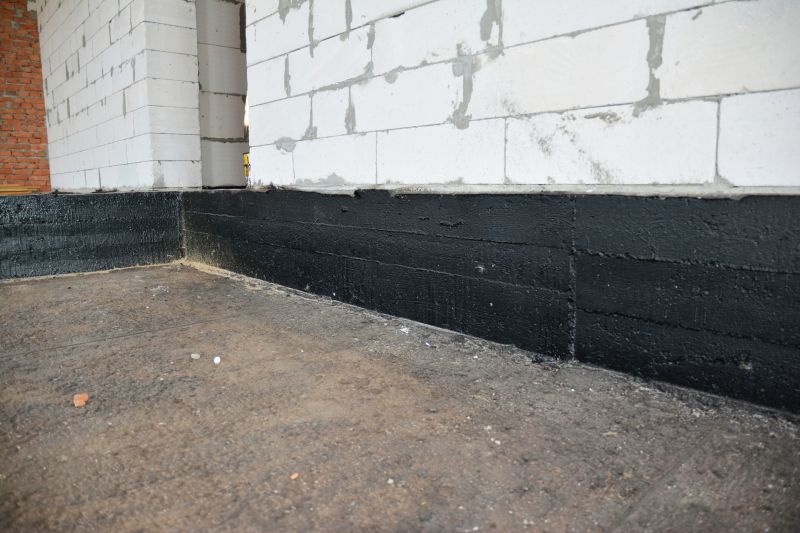
Water intrusion can cause significant damage to foundations and basements, especially during heavy rains or rapid snowmelt. When water seeps into the soil around a property, it can create pressure against basement walls and foundation walls, leading to cracks, shifting, or even structural instability over time. Property owners often seek out waterproofing services after noticing signs like dampness, mold growth, or water stains, aiming to prevent further deterioration and preserve the integrity of their home.
Local contractors who specialize in basement and foundation waterproofing have experience addressing these issues effectively. They can evaluate the property's unique conditions, identify sources of water intrusion, and recommend appropriate solutions such as sealing cracks, installing drainage systems, or applying waterproof coatings. Consulting with these service providers can help property owners protect their investment and reduce the risk of costly repairs caused by ongoing water damage.
How does water intrusion cause damage to foundations and basements? Water intrusion can weaken foundation materials, lead to cracks, and cause soil erosion around the structure, which may result in settling or shifting. In basements, water can create damp conditions that promote mold growth and deterioration of walls and flooring. Over time, persistent water issues can compromise the stability and safety of the entire building.
What are common signs of water intrusion in foundations and basements? Signs include visible water stains, efflorescence or white mineral deposits, mold or musty odors, cracking walls or floors, and pooling water or dampness even after rain. These indicators suggest that water is penetrating the structure and may require waterproofing services from local contractors.
How can waterproofing services help prevent water damage? Waterproofing services involve sealing cracks, installing drainage systems, and applying protective coatings to keep water out. Proper waterproofing helps maintain the integrity of foundations and basements, reducing the risk of structural damage and mold growth caused by water intrusion.
Why is it important to address water intrusion issues promptly? Addressing water intrusion early can prevent extensive damage, such as foundation cracks, mold growth, and structural instability. Timely intervention by experienced service providers ensures the longevity and safety of the building while avoiding costly repairs in the future.
What types of waterproofing solutions do local contractors typically offer for foundations and basements? Local contractors often provide interior and exterior waterproofing, sump pump installation, drainage system setup, crack repair, and moisture barrier applications. These solutions work together to effectively prevent water from penetrating the structure and causing damage.
Identify water entry points - property owners can inspect their foundations for cracks or gaps that allow water to seep in, and hire local contractors to seal these vulnerabilities.
Improve drainage around the property - ensuring gutters and downspouts direct water away from the foundation can reduce water intrusion risks, with local pros providing drainage solutions.
Install waterproofing barriers - applying sealants or membranes to basement walls can prevent water intrusion, and local service providers can help with proper application techniques.
Maintain proper grading and landscaping - adjusting soil levels to slope away from the foundation helps keep water out, with local contractors offering grading and landscaping services.
If you are thinking about how water intrusion damages foundations and basements for a property, this guide is meant to help you understand this topic, the typical project types, and how different options might fit your plans.
When you are ready, you can use the quote form on this page to share a few details about your project. From there, local pros can review the basics and follow up with options that match what you have in mind.